INTRODUCTION LIFE ENGAGEMENT

WHAT IS LIFE ENGAGEMENT
Life Engagement refers to an individual’s active involvement and purposeful investment in their personal, professional, and social activities, contributing to a sense of meaning, satisfaction, and overall well-being. It encompasses how deeply individuals feel connected to and motivated by the various dimensions of their lives, including relationships, career, personal growth, health, and community involvement.
True engagement is characterised by a sense of control, balance, and fulfilment that comes directly from the actions and relationships themselves, rather than external rewards or pressures. It involves being fully present, authentically invested, and consistently proactive in pursuing one’s personal vision of life. There will still be ups and downs, but people find the way of face difficult while building or enjoying the life that they want.
WHY LIFE ENGAGEMENT MATTER?
Research have found that we enjoy ours lives more when we are fully aware of what makes us engage with the actions and events throughout the 365 days of the year. Life Engagement enhances personal satisfaction and fulfilment, increases resilience and adaptability in facing challenges, and strengthens emotional and physical well-being. It also improves productivity, creativity, and performance, while fostering deeper, more meaningful relationships. Ultimately, everything lies in understanding which components of Life Engagement matter most to you, as a unique individuals defined by yourself.
HOW TRUE ENGAGEMENT APPEARS IN ORDINARY LIFE?
True engagement transforms ordinary experiences into meaningful, enriching, and fulfilling moments, making everyday life deeply satisfying and rewarding. It also develops the ability to appreciate moments of stillness, accepting that life naturally has its ups and downs and follows its own rhythm.
True Engagement often shows itself through six main aspects:
- Meaningful Relationships. Showing genuine care, empathy, and active listening in interactions.
- Satisfaction in Work. Feeling purpose and motivation in one’s career or daily tasks.
- Personal Well-being. Maintaining routines that support physical, emotional, and mental health.
- Continuous Growth. Embracing challenges as opportunities for development and self-improvement.
- Community Involvement. Finding fulfilment in contributing positively to the lives of others.
- Mindfulness and Present. Practicing mindfulness to stay connected and aware of one’s feelings and surroundings.
WHAT CAN YOU DO?
While we cannot control external events or others’ actions, we can control what we do, think and feel. This gives us with the freedom to become the master of our lives. Through self-reflection, we can create the map needed to reach where we want to be.
- Start by understanding your own engagement. Explore the 15 most common components involved in life engagement. Life Components
- Next, reflect on how these components are present in your vision of life and in your current reality. My Vision, My Life
- Finally, create a tailored action plan to guide your journey. Building Your Vision, Creating Your Life

If you’re an individual:
Identify the factors that are most important to you. The results will show a visual representation of your personal engagement profile and provide practical suggestions to help you start creating an action plan. You can share it with a loved one to explore your relationship, or with a life coach to support and guide you in developing your plan.
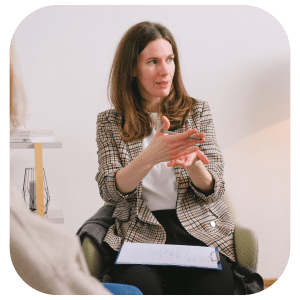
If you’re a life coach:
Use this tool to help your clients engage in deeper reflection on their life experience. The quiz provides a structured, visual way to highlight what matters most to them, where they feel fulfilled, and where gaps may exist.
The results can serve as a conversation starter to support goal-setting, clarifying life vision, building boundaries, or planning transitions. Whether your client is seeking greater alignment, exploring personal growth, considering life changes, or navigating challenges, this framework offers clarity and direction to enrich your coaching sessions.
FRAMEWORKS THAT INSPIRED THIS TOOL
The Life Engagement Tool is grounded in well-established frameworks that help us understand the key factors influencing personal fulfilment and motivation. These frameworks provide a structured approach to exploring how different aspects of life contribute to overall engagement and well-being.
By integrating elements from psychological and organisational models—such as Self-Determination Theory, which highlights the importance of autonomy, competence, and relatedness; the Job Demands-Resources Model, emphasising balance between challenges and support; and Positive Psychology’s focus on strengths and meaning—the tool offers a comprehensive view of engagement.
This allows individuals to identify which components are most meaningful to them personally and how these align with their current life situation. The frameworks guide reflective insights and support the creation of tailored action plans to enhance engagement, resilience, and life satisfaction.
In essence, the Life Engagement Tool bridges theory and practice, empowering you to take actionable steps toward a more purposeful and fulfilling life.
READY TO START?
Review the 15 Life Components, explore our Life Engagement Quiz My Vision, My Life, and discover personalised suggestions to help you construct your personal plan Building Your Vision, Creating Your Life
 Be Kyosei