BUILDING YOUR VISION, CREATING YOUR LIFE
Gaining a clear understanding of what matters most to you—along with recognising the gaps between your current life and your ideal vision—is the essential first step toward meaningful change. When you see what’s happening across different areas of your life, you can begin to take intentional action:
- Individuals can take ownership of their life engagement and well-being.
- Coaches can guide clients toward clarity and purposeful growth.
It’s natural to search for the “perfect life” or the “ideal situation.” We often change routines, habits, or goals believing the next step will bring fulfilment. Yet, even then, something might feel missing. More often than not, it’s not the external circumstances themselves but our awareness of what we truly need and how we relate to those needs.

FOR INDIVIDUALS
Understanding where you are right now provides a valuable starting point for reflection and action. Use your self-reflection results to visualise what matters most and identify where you want to grow or change.
Compare your reflections with your current life reality to identify gaps between your vision and experience. Use these insights to guide conversations with coaches, mentors, or trusted supporters.
Ask yourself:
“What can I do to achieve the level that I can to have in this area?”
“Who can I reach out to for support or guidance?”
And remember: the perfect life doesn’t exist. Meaningful living comes from openness, honest reflection, and engaging in purposeful actions. When you align your growth with your values and community, you don’t just exist—you thrive.
FOR COACHES AND MENTORS
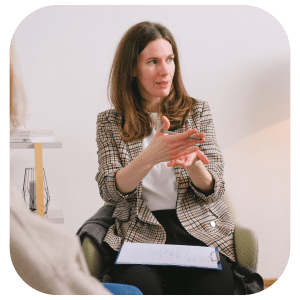
Understanding how clients relate to their life engagement offers a powerful perspective to support their personal development. This tool reveals what energises them, what holds them back, and where alignment or disconnection exists between their values and current life circumstances.
Use your client’s self-reflection results to visualise what matters most and identify gaps limiting their fulfilment or growth.
Ask coaching-focused questions such as:
“Which areas feel most aligned or misaligned with your vision for life?”
“What would greater fulfilment in this area look and feel like?”
“What support or changes do you need to move forward?”
Guide clients toward action-oriented reflection and decision-making. Help them identify what’s within their control, what conversations they might need to have, and what internal shifts can unlock new possibilities.
Ask coaching-focused questions such as:
“Looking at the gaps between your vision and current life, which area feels most important—and most within your control—to start acting on?”
“What conversation could you initiate that might shift how you experience this part of your life?”
And remember: meaningful engagement is not about chasing an ideal life but aligning actions, mindset, and communication with what truly matters. As a coach, you play a vital role in helping clients transform insight into empowered movement toward a life that feels fulfilling and authentic.
For ideas on actions or conversation starters, refer to the accompanying guidance table. These are invitations to self-reflection, not fixed answers—let them inspire your personal strategy. The more honest and open your reflection, the more likely you are to discover what you truly need.
 Individual | |
 Career & Vocation | Identify skills you’d like to strengthen and seek relevant training. Set short- and long-term career goals. Network with colleagues or mentors for guidance and inspiration. Seek feedback to improve and grow in your current role. |
 Community & Contribution | Volunteer for a cause that resonates with your values. Support local initiatives or charities. Join a community group or association. Contribute knowledge or skills through mentoring or teaching. |
 Creativity & Expression | Dedicate time weekly to creative hobbies (art, music, writing). Experiment with new forms of expression, even if small. Share your work or ideas with others for feedback. Explore cultural activities (museums, performances, workshops). |
 Environment & Surroundings | Declutter or reorganise your living space for comfort. Add natural elements (plants, light, fresh air) to your environment. Explore working or relaxing in spaces that inspire you. Reduce exposure to negative or stressful environments. |
 Family & Relationships | Schedule quality time with family members. Express appreciation and gratitude openly. Resolve unresolved conflicts through calm communication. Create family rituals (shared meals, traditions, celebrations). |
 Financial Stability | Review and track your income, expenses, and savings. Create a realistic budget aligned with your priorities. Build an emergency fund step by step. Seek advice or education on financial planning. |
 Friendships & Social Life | Reach out to friends you haven’t connected with in a while. Plan regular catch-ups or activities together. Be intentional about nurturing meaningful friendships. Join clubs, groups, or classes to meet new people. |
 Fun & Leisure | Schedule downtime or playful activities into your week. Try new hobbies or revisit old ones you enjoyed. Allow space for unstructured, spontaneous fun. Plan a trip, day out, or simple change of routine. |
 Health & Wellbeing | Prioritise regular physical activity that you enjoy. Focus on balanced nutrition and hydration. Build routines for quality sleep and rest. Seek support for emotional or mental health when needed. |
 Learning & Growth | Enrol in a course or workshop to expand skills. Read books or listen to podcasts on topics that inspire you. Set learning goals and track your progress. Challenge yourself with new experiences that push comfort zones. |
 Life Vision & Purpose | Reflect on your values and align goals with them. Write down a vision statement for your life. Set milestones that reflect your deeper purpose. Explore activities that bring passion and meaning. |
 Love & Intimacy | Spend quality, focused time with your partner. Communicate needs, feelings, and appreciation openly. Work together on shared goals or experiences. Create rituals of intimacy (e.g., date nights, shared hobbies). |
 Personal Values & Integrity | Reflect regularly on whether your actions align with your values. Set boundaries to protect your integrity. Say “no” when something doesn’t align with your principles. Surround yourself with people who respect your authenticity. |
 Spirituality & Connection | Practice mindfulness, meditation, or prayer. Spend time in nature to feel connected. Explore spiritual texts, teachings, or communities. Journal about your reflections and beliefs. |
 Work-Life Balance | Set clear boundaries between work and personal time. Learn to delegate or say no when overloaded. Schedule time for rest, hobbies, and family. Use breaks to recharge during your workday. |
 Be Kyosei